Project Details
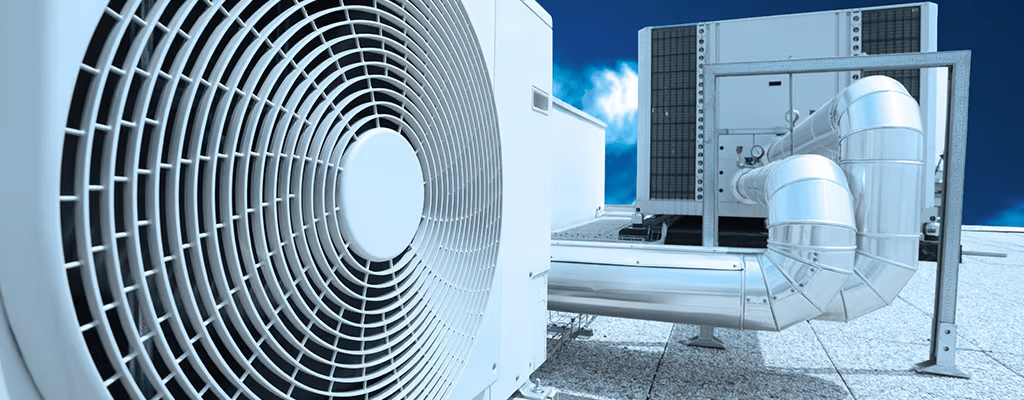
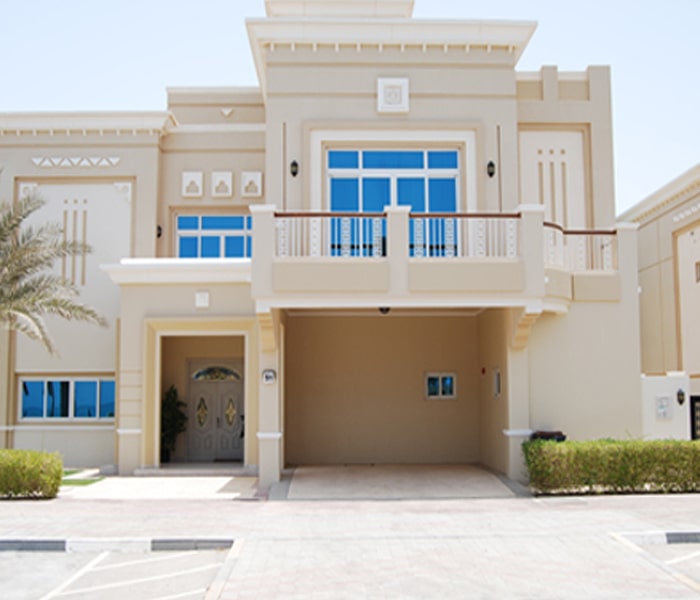
Pearl Light built projects with precision and efficiency.






Pearl Light ensures your electrical
Plumbing project completed by Pearl Light. Quality assured, timely delivery. Contact us for your next project.
Creating complete content for a plumbing project involves several key components to ensure clarity, accuracy, and effectiveness. Here's a comprehensive outline of what such content might include:
-
Project Overview:
- Brief description of the project, including its scope, objectives, and key stakeholders involved.
- Introduction to the location of the project (if applicable) and any unique considerations related to local regulations or environmental factors.
-
Design Specifications:
- Detailed plumbing system design, including layout plans, schematics, and calculations.
- Specifications for piping materials, fixtures, fittings, valves, and other components.
- Compliance with relevant building codes, standards, and regulations.
-
Materials List:
- Comprehensive list of all materials required for the plumbing project, including quantities and specifications.
- Supplier information and procurement details for each item.
-
Installation Procedures:
- Step-by-step instructions for installing plumbing components, starting from preparation to completion.
- Safety guidelines and precautions for workers.
- Diagrams or illustrations to clarify complex installation processes.
-
Testing and Inspection:
- Procedures for testing the integrity and functionality of the plumbing system, including pressure testing, leak detection, and flow testing.
- Inspection checklist to ensure compliance with design specifications and regulatory requirements.
-
Maintenance Guidelines:
- Recommendations for ongoing maintenance and care of the plumbing system to prevent issues and prolong its lifespan.
- Schedule for routine inspections, cleaning, and servicing of equipment.
-
Health and Safety Measures:
- Guidelines for ensuring the health and safety of workers during the construction phase, including protocols for handling hazardous materials and preventing accidents.
-
Quality Assurance/Quality Control (QA/QC):
- Procedures for monitoring and controlling the quality of workmanship and materials throughout the project.
- Documentation requirements for recording inspections, test results, and any deviations from the design specifications.
-
Project Management:
- Schedule outlining the timeline for various stages of the plumbing project, including milestones and deadlines.
- Resource allocation plan, including labor, equipment, and budget management.
-
Contact Information:
- Contact details for project managers, contractors, subcontractors, suppliers, and relevant authorities.
- Emergency contact information in case of any issues or incidents during the project.
-
Appendices:
- Additional resources such as relevant regulations, standards, and reference materials.
- Drawings, sketches, or photographs of the plumbing system layout and installation process.
By providing complete content for a plumbing project, you can ensure that all stakeholders have the necessary information and resources to execute the project efficiently, safely, and in compliance with regulatory requirements.